Nothing Phone (4b) Review, Prices and Specs

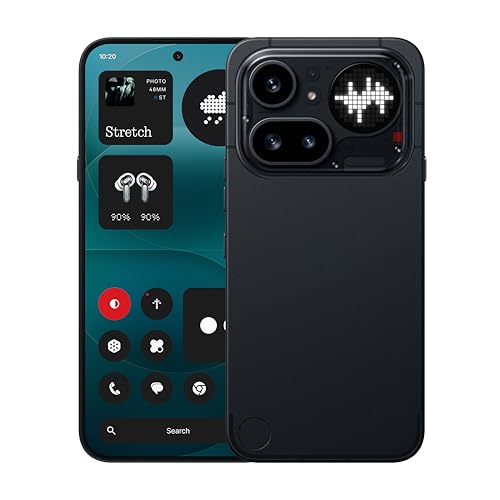
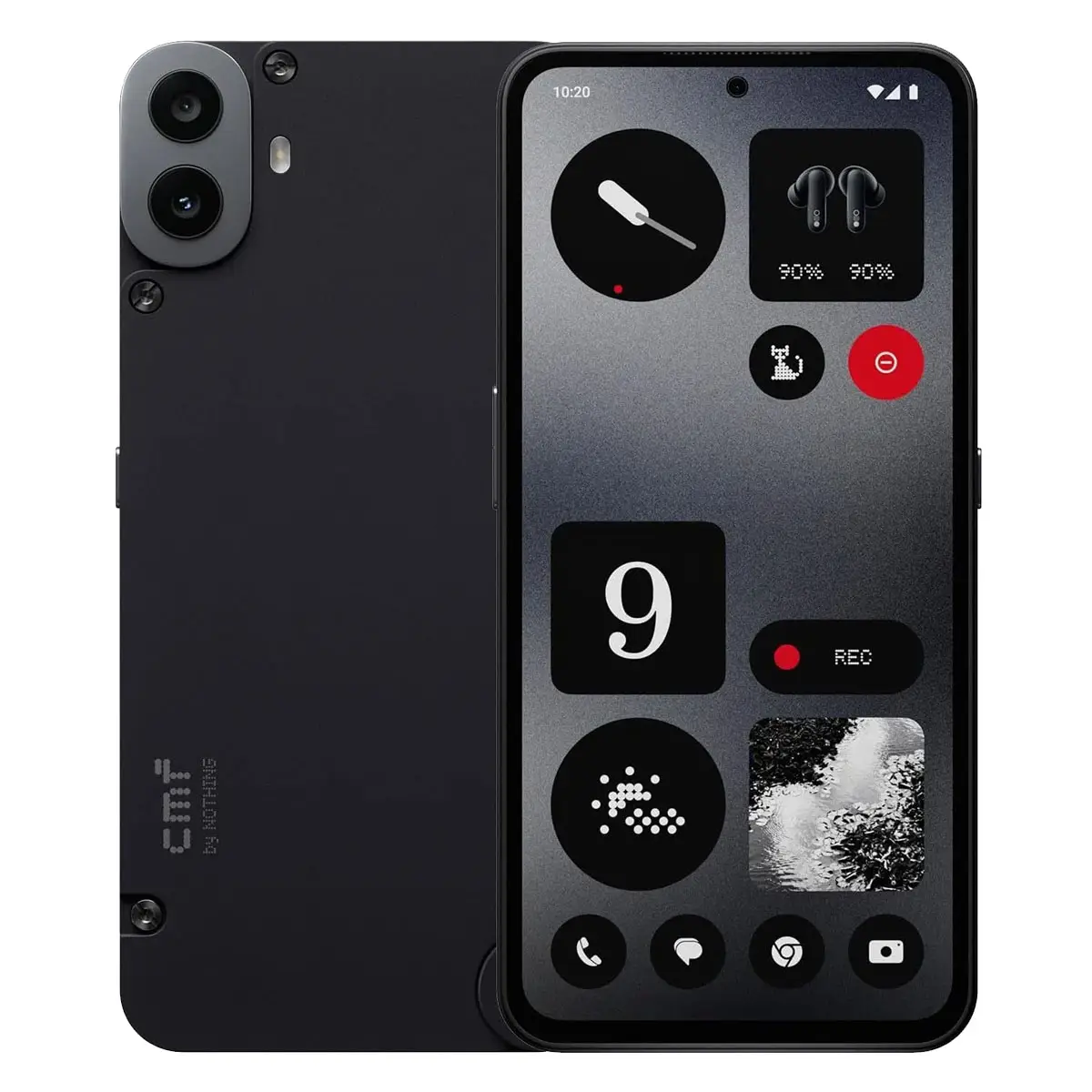
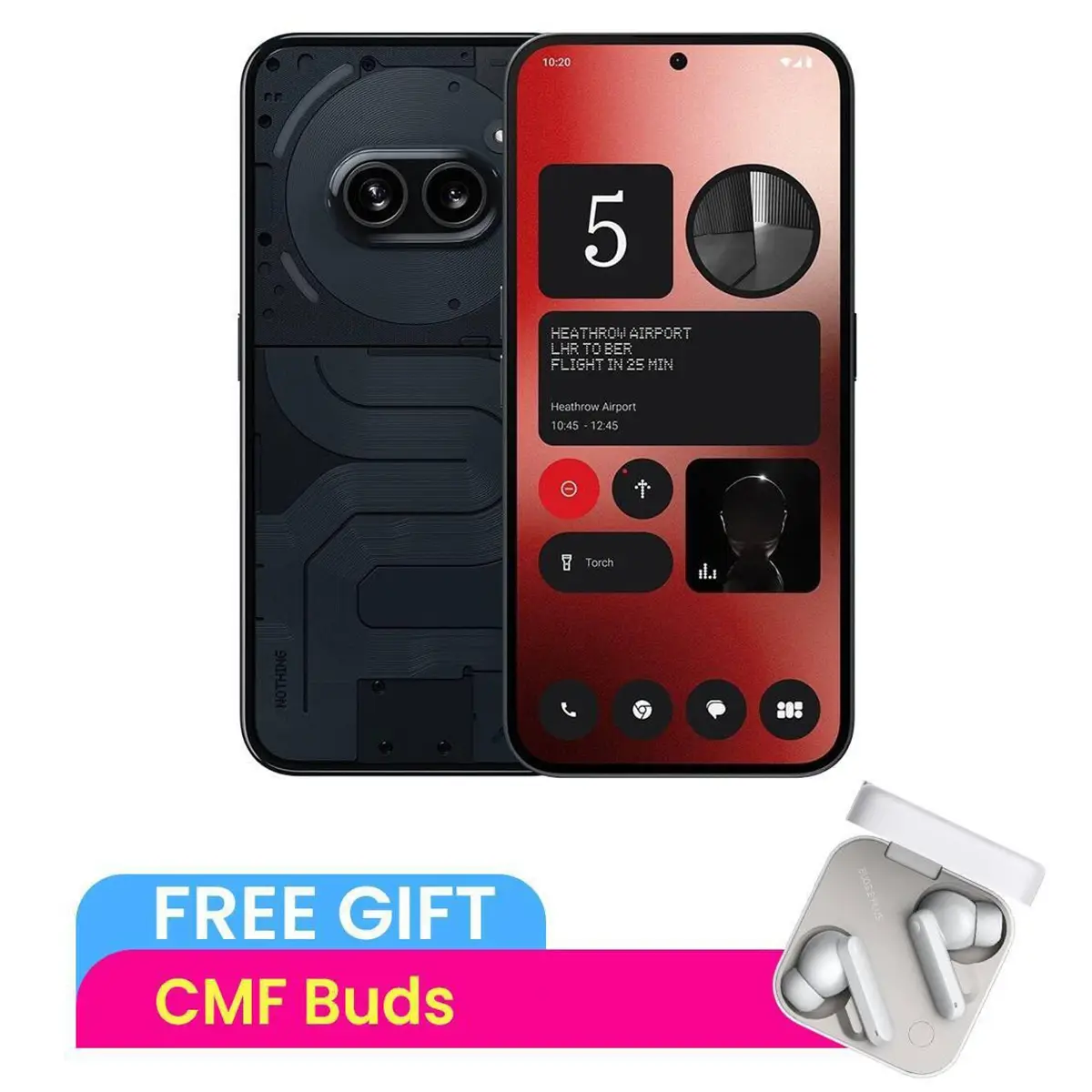
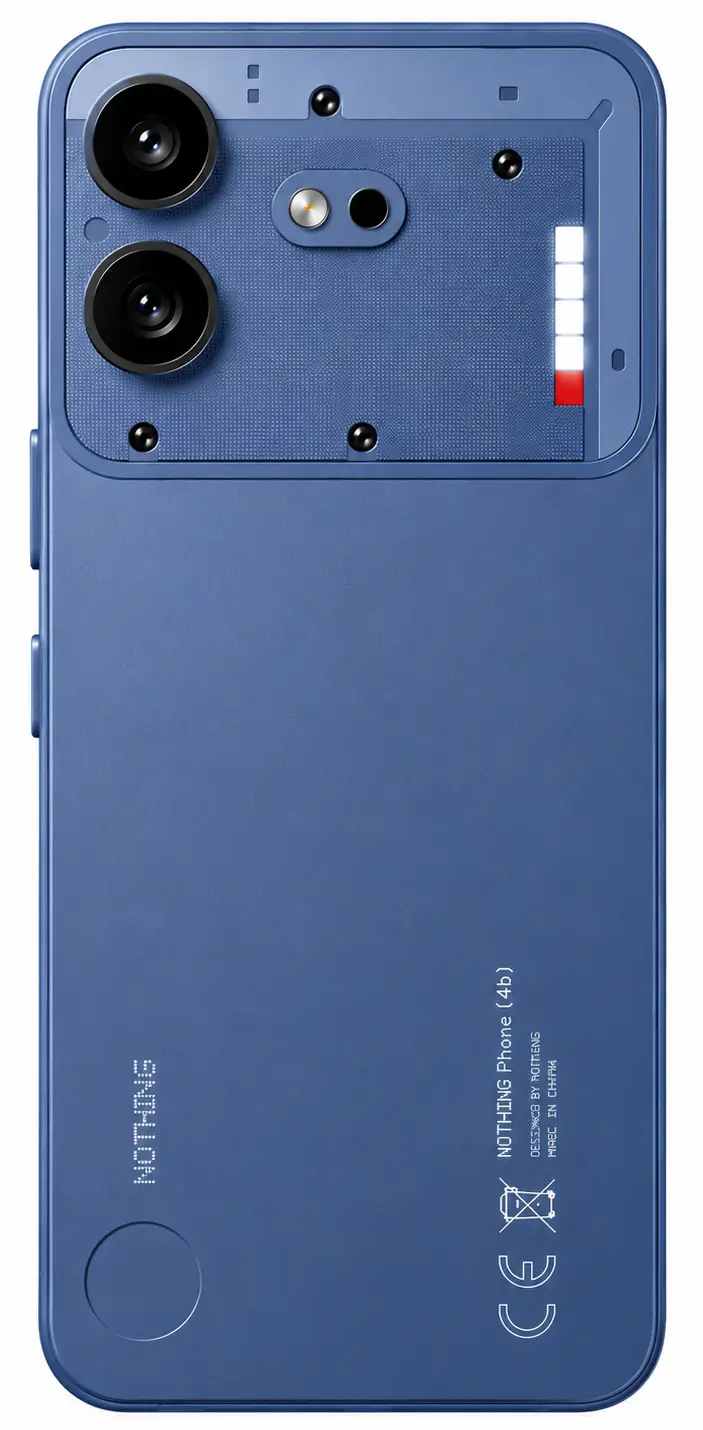
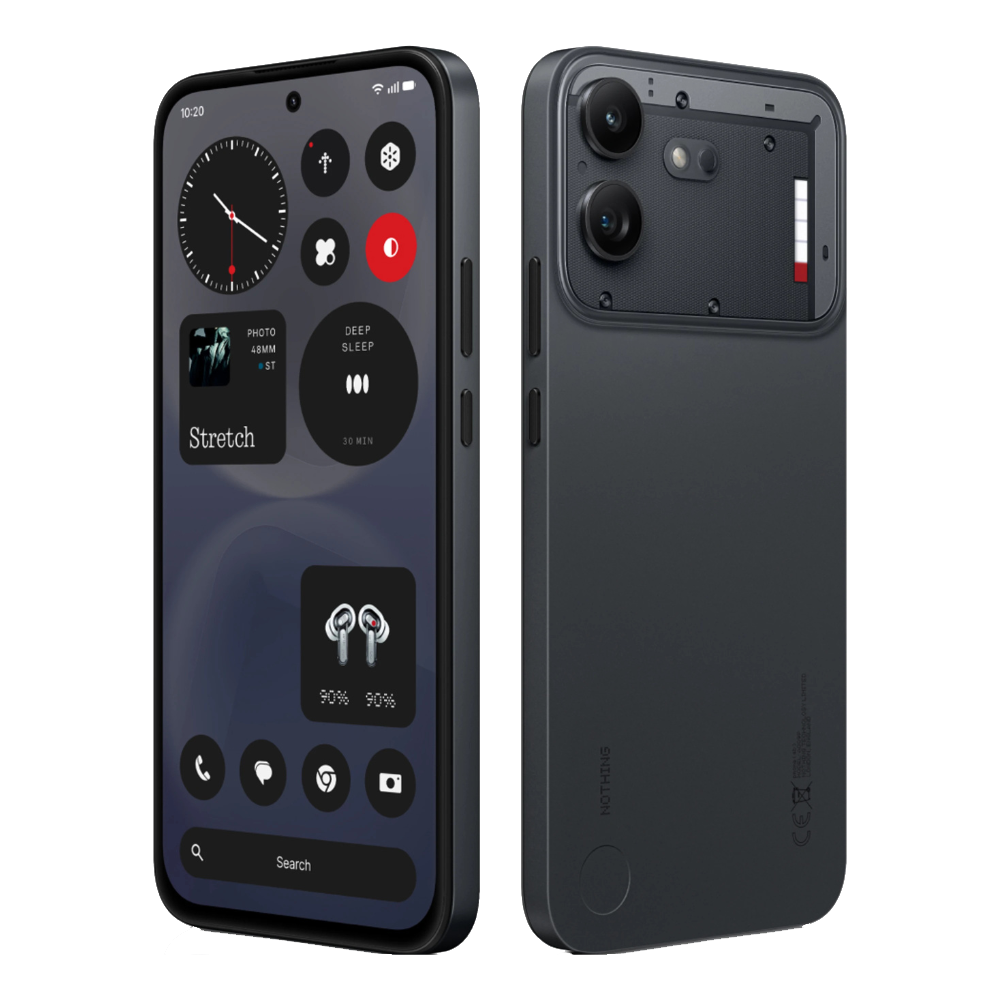
The Nothing Phone (4b) is a value-focused 5G smartphone combining Nothing’s distinctive design language with a 5,200mAh global-market battery. It runs Nothing OS 4.1 based on Android 16 and features a 6.77-inch 120Hz Super AMOLED display, Snapdragon 6 Gen 4 performance, dual rear cameras and the Glyph Bar notification system.

Price$400
RAM8 GB
Storage128 GB
Battery5,200 mAh
Display6.77″
ChipsetSnapdragon 6 Gen 4
Camera50 MP
View Full Specs
At a glance

Core Highlights of the Nothing Phone (4b)

A quick look at the main features that matter most when comparing the Nothing Phone (4b) with other smartphones.

battery5,200mAh Global-Market Battery

Equipped with a 5,200mAh battery, 33W wired charging and 7.5W wired reverse charging.

display120Hz Super AMOLED Display

Features a maximum 120Hz refresh rate and advertised peak brightness of up to 2,000 nits.

camera50MP Dual Rear Camera

Combines a 50MP main camera with OIS and EIS and an 8MP ultrawide camera.

performanceSnapdragon 6 Gen 4 Performance

Powered by the 4nm Snapdragon 6 Gen 4 platform and supported by a 4,400 mm² vapour chamber.

Quick verdict

Nothing Phone (4b) Review and Verdict

The Nothing Phone (4b) balances distinctive industrial styling with practical everyday hardware, a large battery and long-term software support. Its 210g weight makes it relatively substantial, while the Snapdragon 6 Gen 4 is intended for mainstream performance rather than flagship gaming. It is best suited to buyers who value the Glyph Bar, a smooth AMOLED display and dependable daily functionality.

Best For

  • Buyers who prefer Nothing’s distinctive unibody design and Glyph Bar notification system.
  • Users seeking a value-focused 5G phone with a smooth 120Hz AMOLED display.
  • Buyers who prioritize three major Android OS upgrades and six years of security updates.
Think Twice If

  • You prefer a compact or lightweight smartphone for prolonged one-handed use.
  • You require flagship-level performance for demanding games and sustained graphics workloads.
  • You need expandable microSD storage or a dedicated telephoto camera.
Buying help

Nothing Phone (4b) Advantages and Limitations

Quick strengths and trade-offs to compare Nothing Phone (4b) with other phones before you decide.

Pros

  • Large 5,200mAh global-market battery with 33W wired charging and 7.5W wired reverse charging.
  • 6.77-inch 120Hz Super AMOLED display with advertised peak brightness of 2,000 nits.
  • Distinctive unibody design with Glyph Bar notifications and status indicators.
  • AGC DT Star 2 display glass and advertised 20% greater bend resistance than Phone (3a) Lite.
  • Three major Android OS upgrades and six years of security updates.
Cons

  • The 210g body may feel heavy during prolonged one-handed use.
  • The Snapdragon 6 Gen 4 targets mainstream performance rather than flagship-level gaming.
  • The camera system lacks a dedicated telephoto lens for optical zoom.
Who should buy

Best Suited to Design-Focused Everyday Users

The Nothing Phone (4b) is suited to buyers who want an alternative to conventional smartphone styling without sacrificing practical daily hardware. Its Glyph Bar, 120Hz AMOLED display, 5,200mAh global-market battery, long software-support period and balanced performance make it relevant to commuters, students, media users and value-focused buyers.

Final decision

A Balanced Choice for Style and Everyday Functionality

The Nothing Phone (4b) is best suited to buyers who value its distinctive design, Glyph Bar, long software-support period and balanced everyday hardware. Its 210g weight and Snapdragon 6 Gen 4 platform make it less suitable for users seeking a compact handset or flagship-class gaming performance. For general daily use, multimedia, communication and moderate gaming, it presents a focused and practical package.

Specifications

Nothing Phone (4b) — full specifications

datasetSpecification overview
BrandNothing
ModelPhone (4b)
Price (USD)400
RAM (GB)8
Storage (GB)128
OSAndroid
OS Version16
Battery5200
Screen6.77
eventLaunch
Announced2026-07-07
StatusAnnounced
smartphoneBody
Height164.4 mm
Width78.2 mm
Thickness8.6 mm
Weight210 g
SIMNano-SIM
Water/DustIP64
tablet_androidDisplay
TypeSuper AMOLED
Size6.77 inches
Resolution1,080 / 2,344
ProtectionAGC DT Star 2
memoryPlatform
OSAndroid
OS Version16
Chipset BrandQualcomm
Chipset ModelSnapdragon 6 Gen 4
CPU64-bit / 8
GPUAdreno 810
storageMemory
Internal128 GB
RAM8 GB
photo_cameraMain Camera
SetupDual Rear Camera
Video4K / 30
photo_camera_frontSelfie Camera
Megapixels16
volume_upSound
LoudspeakerYes
usbComms
WLANWi-Fi 6
Bluetooth6.0
PositioningGPS, GLONASS, BDS, GALILEO, QZSS
USB TypeType-C
battery_charging_fullBattery
TypeNon-removable
Capacity5200 mAh
Wired Charging33 W
Wireless ChargingW
more_horizMisc
ColorsBlack, White, Blue
Questions

Nothing Phone (4b) FAQs

Common questions about Nothing Phone (4b) price, battery, camera, performance and comparisons.

What is the battery size and charging speed of the global Nothing Phone (4b)?

The global-market configuration has a 5,200mAh battery with 33W wired charging and 7.5W wired reverse charging. The India-market configuration uses a larger 6,000mAh battery.

What is the price of the Nothing Phone (4b)?

The global-market 8GB RAM and 128GB storage model launched at £299 in the United Kingdom. Prices vary by region, storage configuration, exchange rate and promotional offer.

Does the Nothing Phone (4b) have an AMOLED display?

Yes. It has a 6.77-inch Super AMOLED display with a refresh rate of up to 120Hz and advertised peak brightness of 2,000 nits.

What cameras does the Nothing Phone (4b) have?

The rear camera system includes a 50MP main camera with OIS and EIS and an 8MP ultrawide camera with a 119.5-degree field of view. The front camera has a 16MP sensor.

Is the Nothing Phone (4b) waterproof?

No. Its IP64 rating indicates dust-tight protection and resistance to water splashes under controlled test conditions. It should not be submerged.

What is the software-update policy for the Nothing Phone (4b)?

Nothing promises three major Android OS upgrades and six years of security updates.