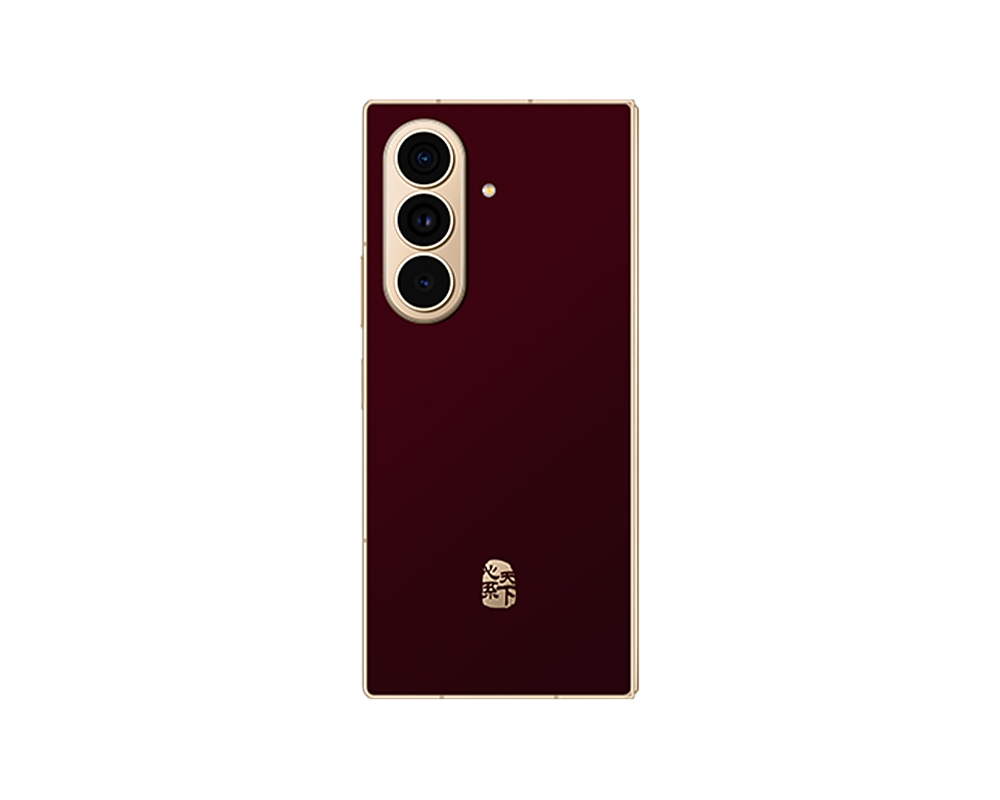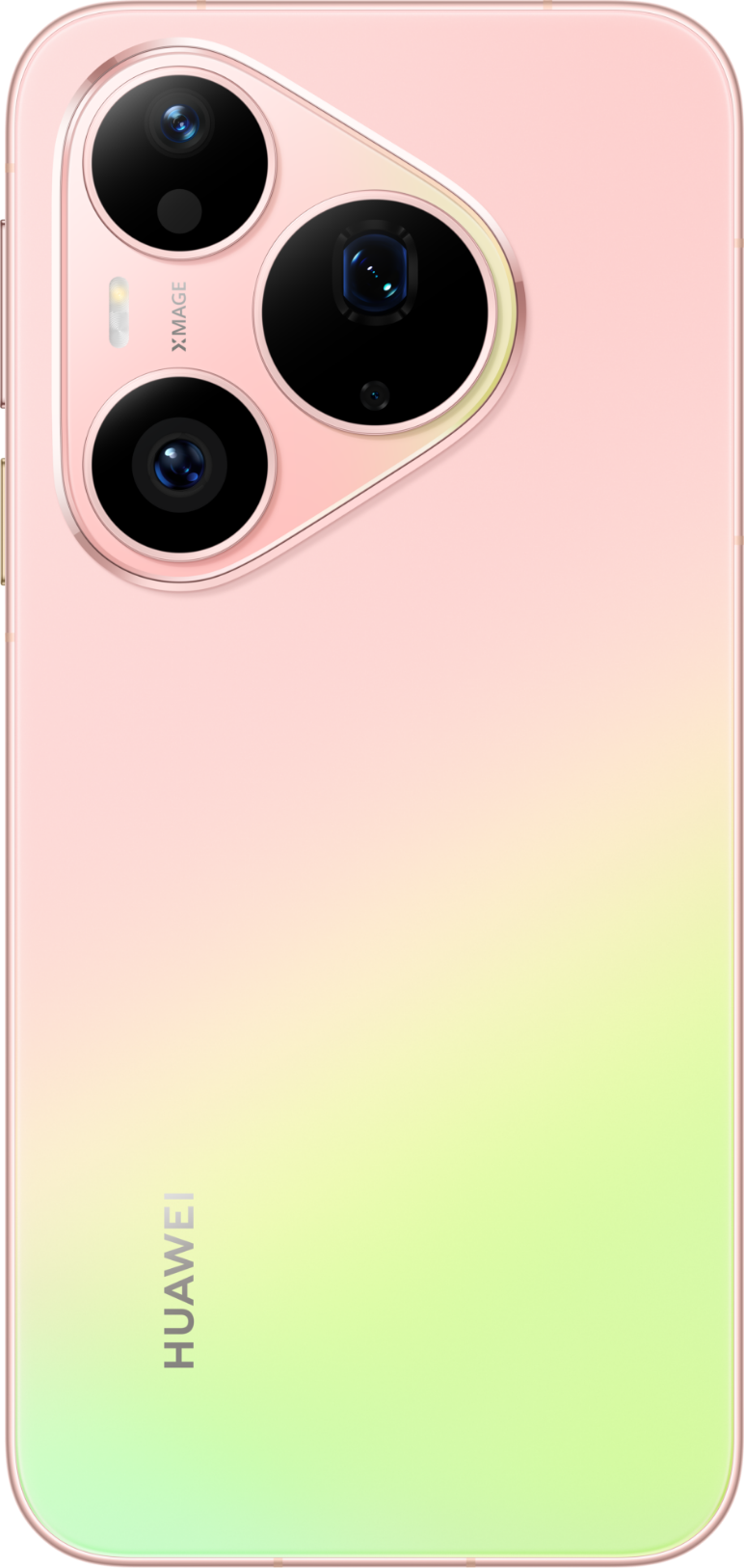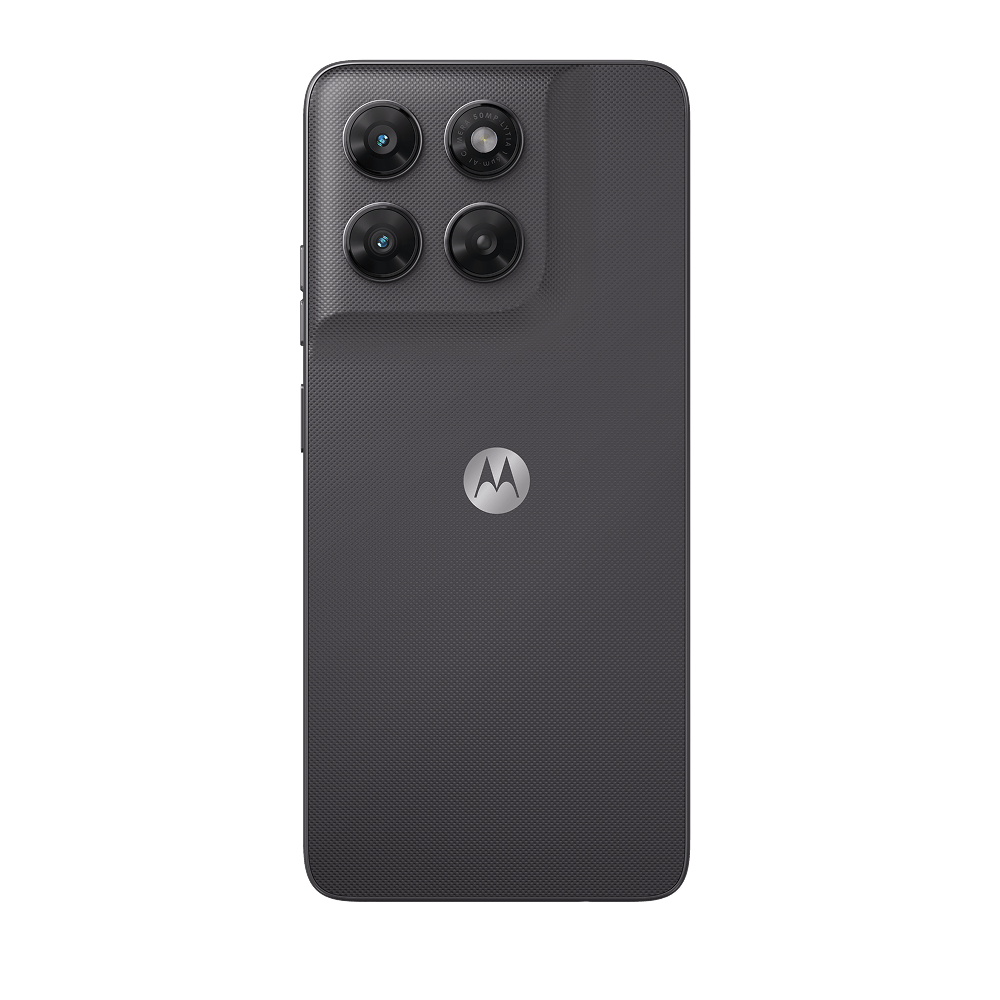

tecno pova 7 pro
$205
| pova 7 pro | Redmi K100 | |
|---|---|---|
| Price | USD 205 | USD 525 |
| Battery | 6000 mAh | 10000 mAh |
| Charging (W) | 45 | 100 |
| RAM | 12 GB | 12 GB |
| Storage | 256 GB | 256 GB |
| Chipset | MediaTek Dimensity 7300 Ultimate | Qualcomm Snapdragon 8 Elite |
| Display | 6.78" • AMOLED • 144Hz | 6.83" • AMOLED • 165Hz |
| Main Camera | 64MP | 50MP |
| Front Camera | 13MP | 20MP |
| OS | Android 15 | Android 17 |
Detailed comparison will load when you open this tab.
Only the differences that meaningfully separate these phones.
Where each phone stands out based on this comparison.
Xiaomi Redmi K100 has the larger display and faster wired charging than pova 7 pro, with a 10000 mAh battery versus 6000 mAh, a 165 Hz display instead of 144 Hz, and 100 W wired charging versus 45 W. It also adds a higher-resolution front camera (20 MP versus 13 MP) and optical image stabilization on the main camera. tecno pova 7 pro, however, is around $320 cheaper, lighter at 198 g versus 234.5 g, and thinner at 8.15 mm versus 8.65 mm and has higher quoted peak brightness at 4500 nits versus 3500 nits. The main trade-off is the Redmi K100’s faster charging, battery capacity, smoother display, and OIS-equipped camera setup versus the pova 7 pro’s lower price, higher quoted peak brightness, and lighter, thinner build.
Build Comparison
Select products to compare.
Selection
Select up to 4 items to compare.