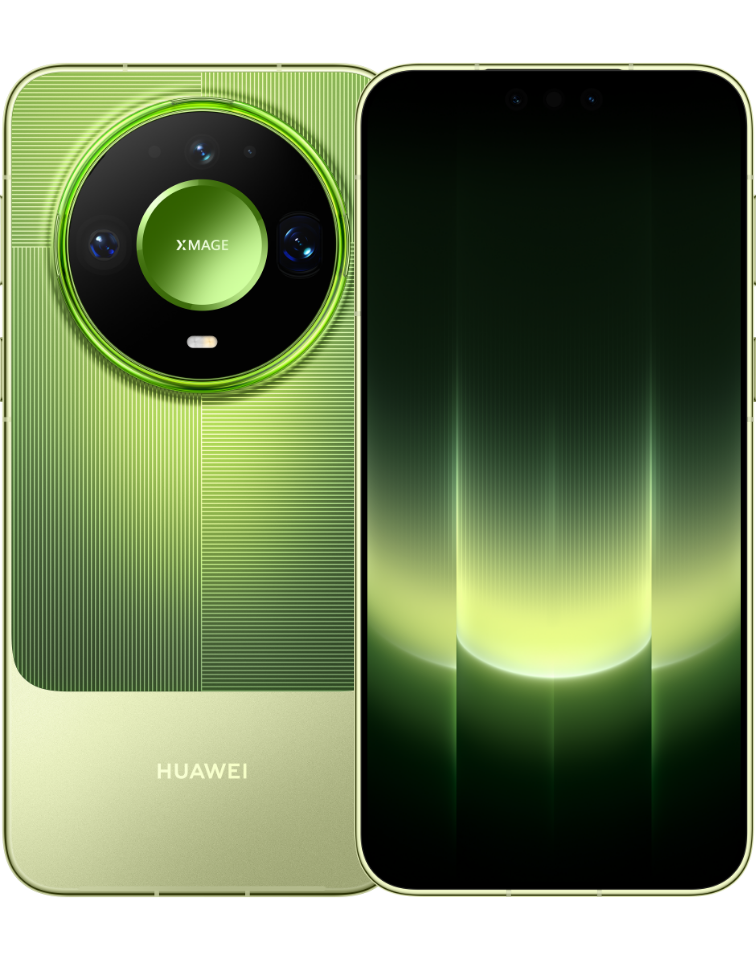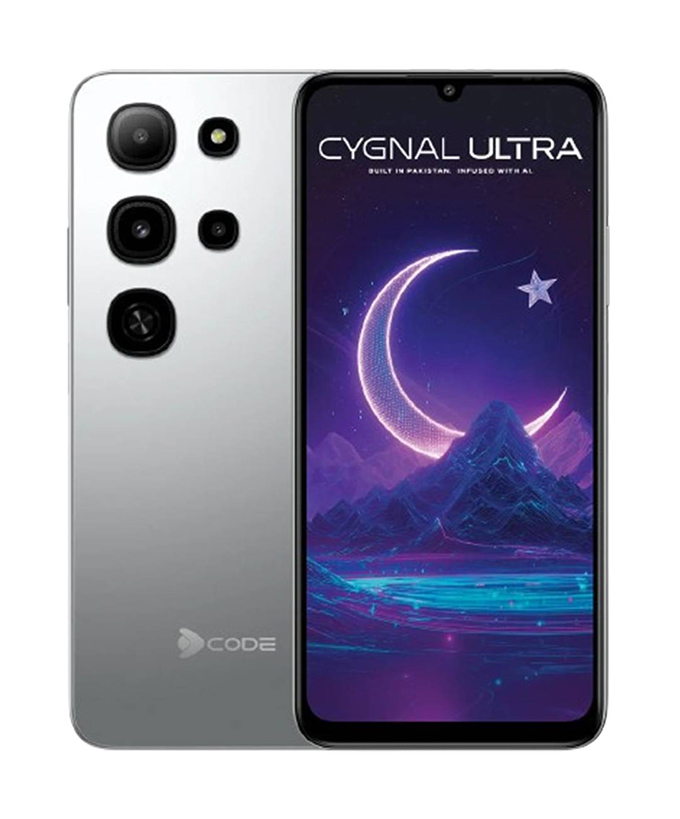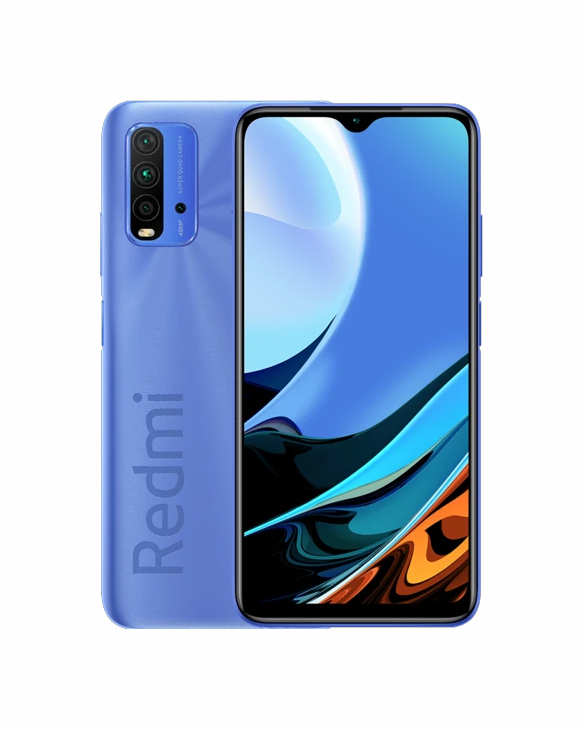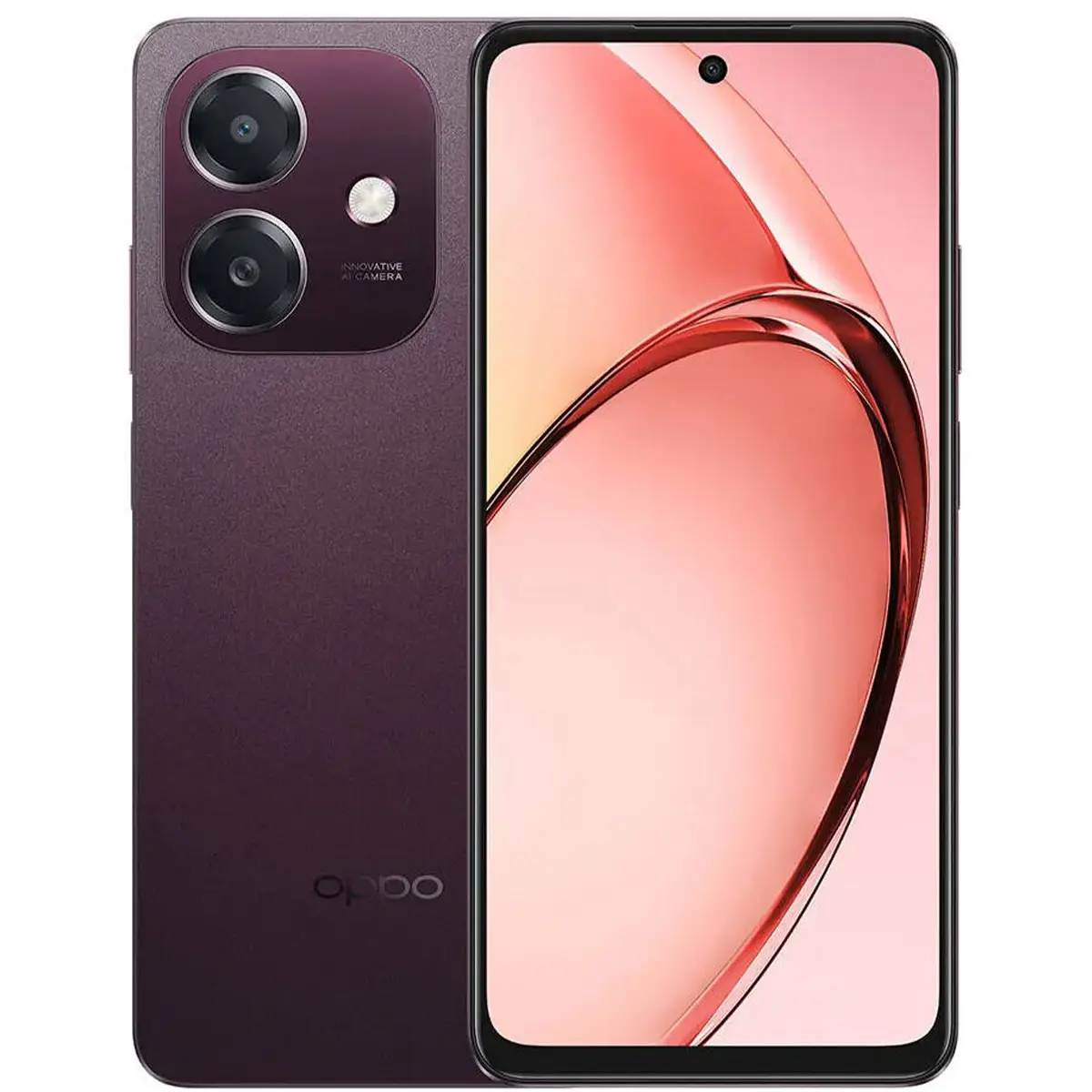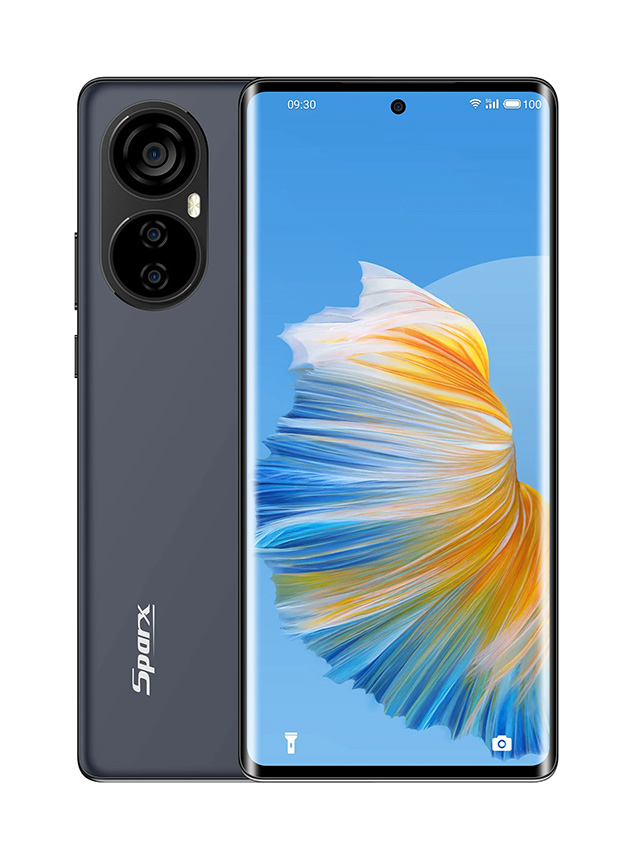
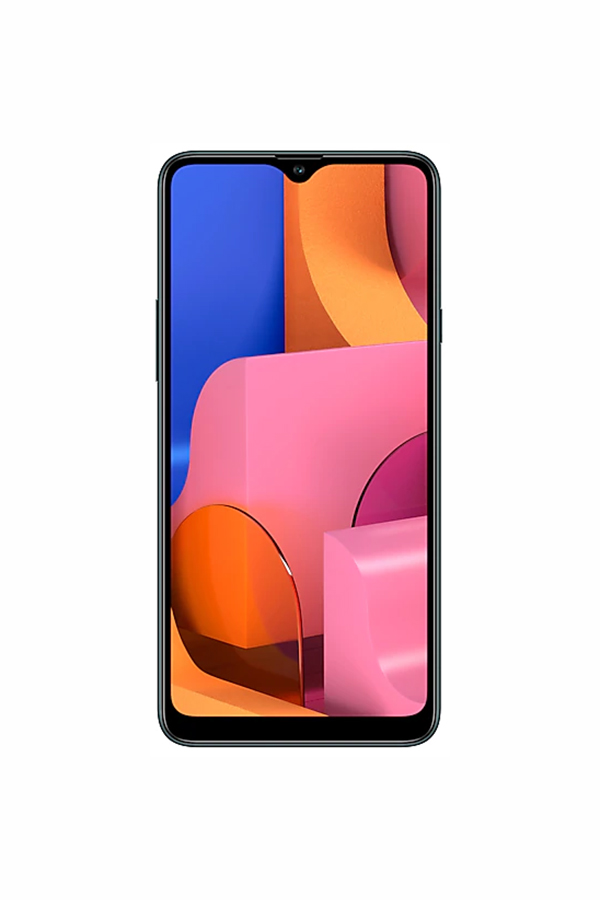
Samsung Galaxy A20s
$210
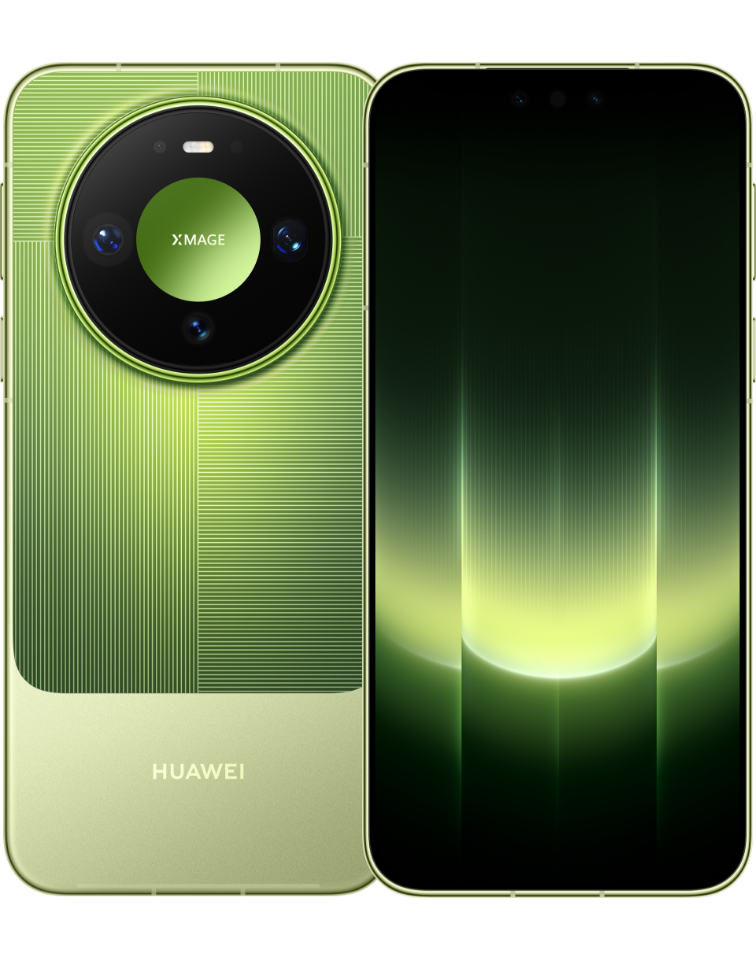
| Galaxy A20s | Mate 90 Pro Max | |
|---|---|---|
| Price | USD 210 | USD 1,337 |
| Battery | 4000 mAh | 6800 mAh |
| Charging (W) | 15 | 100 |
| RAM | 4 GB | 12 GB |
| Storage | 64 GB | 512 GB |
| Chipset | Qualcomm Snapdragon 450 | HiSilicon Kirin 9050 Pro / Kirin 9050 |
| Display | 6.5" • PLS TFT LCD • 60Hz | 6.9" • Dual-layer OLED (LTPO) • 120Hz |
| Main Camera | 13MP | 50MP |
| Front Camera | 8MP | 13MP |
| OS | Android 9 | HarmonyOS 7.0 |
Detailed comparison will load when you open this tab.
Only the differences that meaningfully separate these phones.
Where each phone stands out based on this comparison.
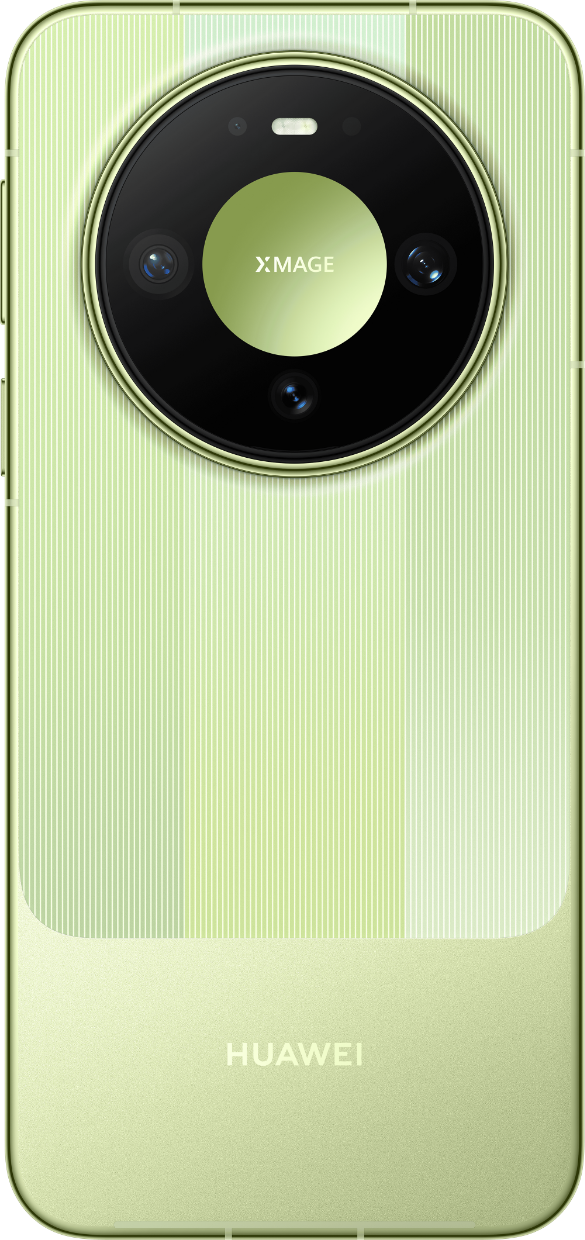
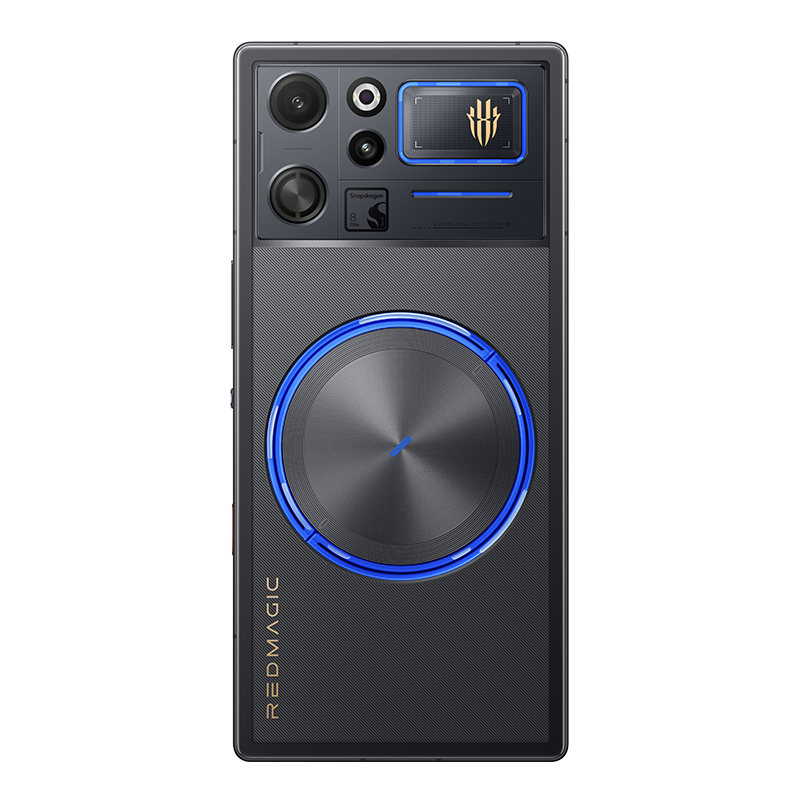
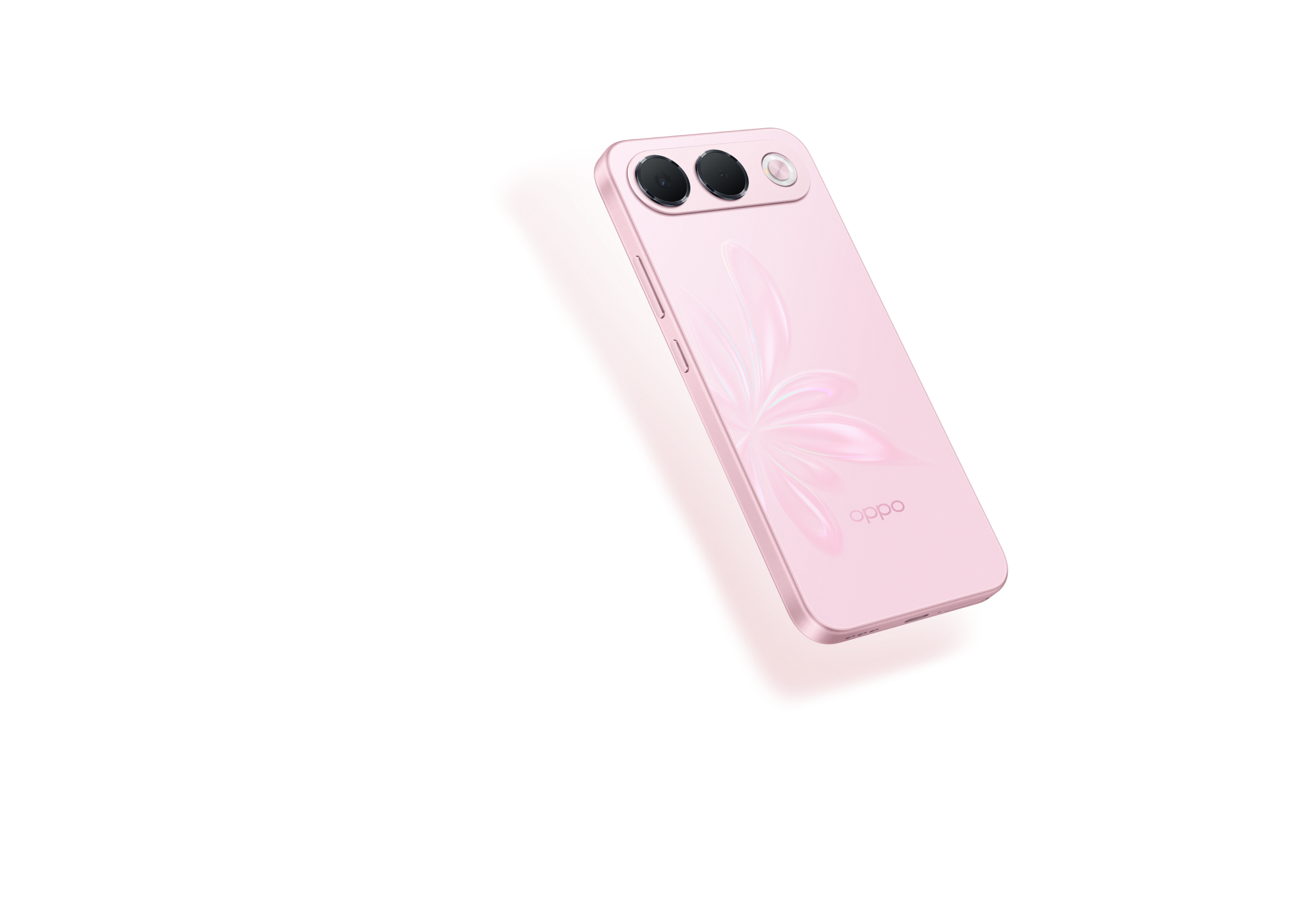
Huawei Mate 90 Pro Max has clear advantages in memory, battery capacity and display refresh rate over Galaxy A20s, with 12 GB of RAM versus 4 GB, 512 GB of storage versus 64 GB, a 6800 mAh battery versus 4000 mAh, and a 120 Hz display instead of 60 Hz. It also adds a higher-resolution rear camera (50 MP versus 13 MP), a higher-resolution front camera (13 MP versus 8 MP), optical image stabilization on the main camera, and 100W charging. Samsung Galaxy A20s, however, is around $1,127 cheaper and lighter at 183 g versus 234 g. The main trade-off is Mate 90 Pro Max’s extra RAM, storage, faster charging, battery capacity, and smoother display versus Galaxy A20s’s lower price and lighter build.
Build Comparison
Select products to compare.
Selection
Select up to 4 items to compare.